The Beginner’s Guide to Macronutrients: Fuel Your Body the Right Way
Food is fuel — and macronutrients are the building blocks that power everything your body does. Whether your goal is weight loss, muscle gain, or simply having more energy throughout the day, understanding macronutrients is the first step toward better health.
This beginner-friendly guide will help you learn what macronutrients are, how they work, and how to use them to fuel your body the right way.
What Are Macronutrients?
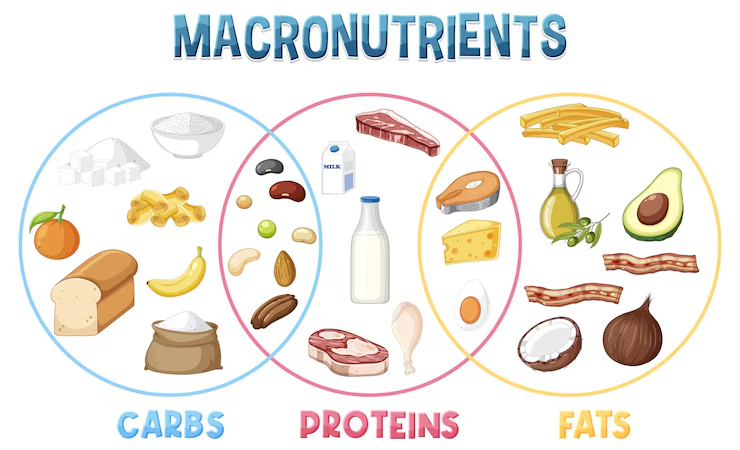
Macronutrients are nutrients your body needs in large amounts to function properly. There are three main macronutrients:
- Carbohydrates — your body’s primary energy source
- Proteins — the building blocks of muscles and tissues
- Fats — essential for hormones and nutrient absorption
Each macronutrient plays a unique and important role in your overall health and performance.
Deep Dive into Each Macronutrient
Carbohydrates: Your Body’s Main Energy Source
Carbohydrates are your body’s preferred source of fuel. They provide quick and sustainable energy for both your brain and muscles.
Types of Carbohydrates:
- Simple Carbs: sugars found in fruit, honey, and processed foods
- Complex Carbs: starches and fiber that digest slowly and keep you full longer
Best Carbohydrate Sources:
- Oats
- Quinoa
- Sweet potatoes
- Fruits
- Whole grains
Proteins: The Body’s Building Blocks
Protein is essential for building muscle, repairing tissues, and keeping you satisfied after meals. It also supports your immune system and metabolic health.
Best Protein Sources:
- Chicken
- Fish
- Legumes
- Tofu
- Greek yogurt
- Eggs
Fats: Essential for Hormones and Vitamins
Despite the myths, fat is not the enemy. Healthy fats are vital for hormone production, brain function, and absorption of vitamins A, D, E, and K.
Types of Fats:
- Saturated Fats: found in dairy and meat (consume in moderation)
- Unsaturated Fats: heart-healthy fats from plants and fish
- Trans Fats: artificial fats to avoid
Best Fat Sources:
- Avocado
- Nuts and seeds
- Olive oil
- Fatty fish like salmon
How to Find Your Ideal Macro Ratio
There is no one-size-fits-all macro ratio. Your ideal balance depends on your goals:
- Muscle building: higher protein intake
- Weight loss: balanced protein and controlled carbs
- Maintenance: balanced macros for long-term health
If you’re wondering how to calculate macros, using a personalized macro calculator can make the process easy. Consider linking to a free macro calculator or advanced macro guide for a deeper breakdown.
Conclusion: Take Control of Your Nutrition
Understanding macronutrients is the foundation of a healthier diet. By learning how carbohydrates, proteins, and fats work together, you gain control over your energy, body composition, and overall well-being.
Start today by making one smart swap in each category — choose whole carbs, lean proteins, and healthy fats. Small changes create powerful results.
Frequently Asked Questions (FAQ)
What are macronutrients in simple terms?
Macronutrients are nutrients your body needs in large amounts: carbohydrates, proteins, and fats.
Why are macronutrients important?
They provide energy, build muscle, support hormones, and keep your body functioning properly.
How do I know my correct macro ratio?
Your macro ratio depends on your goals, activity level, and metabolism. Using a macro calculator helps personalize your plan.
Can I lose weight by tracking macros?
Yes. Tracking macros helps control calories, balance nutrients, and maintain muscle while losing fat.
Are carbs bad for you?
No. Whole carbohydrates are essential for energy and overall health. The key is choosing high-quality sources.