
- Low-Carb Diet and Meal Plan: How to Reverse Prediabetes Through Lifestyle Changes
- Understanding Prediabetes: What’s Happening in Your Body
- Why a Low-Carb Diet Works for Prediabetes
- Creating a Prediabetic Meal Plan: Step-by-Step Guide
- Sample Low-Carb Prediabetic Meal Plan
- Lifestyle Changes That Help Reverse Prediabetes
- Working With Healthcare Professionals
- Common Challenges and Solutions
- Measuring Success Beyond Weight Loss
- How to Start Reversing Prediabetes Today
- Final Thoughts: Your Health Is in Your Hands
Low-Carb Diet and Meal Plan: How to Reverse Prediabetes Through Lifestyle Changes
When my friend Sarah received her prediabetes diagnosis last year, she felt overwhelmed and frightened. Her doctor handed her a pamphlet about blood sugar levels and told her to “eat better and exercise more.” But what did that actually mean?
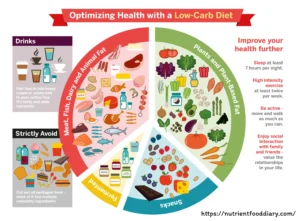
Prediabetes affects approximately 96 million American adults. The good news is that it is reversible. With the right low-carb diet, a structured prediabetic meal plan, and sustainable lifestyle changes, you can prevent the progression to type 2 diabetes.
This guide explains how eating with diabetes risk works, how to design a low-carb meal plan, and how lifestyle habits help reverse prediabetes naturally.
Understanding Prediabetes: What’s Happening in Your Body
Prediabetes occurs when your body struggles to use insulin effectively. Carbohydrates break down into glucose, which enters the bloodstream. Insulin helps glucose move into cells for energy.
In prediabetes, your cells become resistant to insulin. As a result, glucose builds up in the blood, causing elevated blood sugar levels.
Prediabetes Diagnostic Ranges
- Fasting blood glucose: 100–125 mg/dL
- A1C levels: 5.7%–6.4%
- Oral glucose tolerance test: 140–199 mg/dL
Think of prediabetes as a warning sign — a chance to reverse course before permanent damage occurs.
Why a Low-Carb Diet Works for Prediabetes
A low-carb diet reduces the amount of glucose entering the bloodstream, which lowers insulin demand and improves insulin sensitivity.
Research consistently shows that low-carbohydrate diets improve glycemic control, promote weight loss, and reduce inflammation.
Key Benefits of a Low-Carb Lifestyle
- Improved blood sugar control
- Natural weight loss
- Reduced inflammation
- Better hunger regulation
- Improved cholesterol levels
If glucose is flooding your system, lowering carbs turns off the faucet instead of mopping the floor.
Creating a Prediabetic Meal Plan: Step-by-Step Guide
Step 1: Define Your Carbohydrate Intake
Most people thrive on 50–130 grams of carbs per day, depending on activity and metabolism.
- Strict low-carb: 20–50 g
- Moderate low-carb: 50–100 g
- Liberal low-carb: 100–150 g
Step 2: Build Meals Around Protein
Protein stabilizes blood sugar and reduces cravings.
- Lean meats (chicken, turkey, beef)
- Fish and seafood (salmon, sardines)
- Eggs
- Plant-based proteins (tofu, lentils)
Sarah replaced sugary breakfasts with protein-rich omelets and eliminated mid-morning crashes.
Step 3: Include Healthy Fats
- Avocados
- Nuts and seeds
- Olive oil and coconut oil
- Fatty fish
Step 4: Prioritize Non-Starchy Vegetables
Non-starchy vegetables provide fiber, nutrients, and volume without spiking blood sugar.
- Leafy greens
- Cruciferous vegetables
- Colorful vegetables
Step 5: Choose Smart Carbohydrates
- Berries
- Legumes (in moderation)
- Whole grains (small portions)
- Sweet potatoes
Avoid refined carbs like white bread, soda, pastries, and processed snacks.
Sample Low-Carb Prediabetic Meal Plan
Breakfast Ideas
Egg omelets, Greek yogurt with berries, protein smoothies, cottage cheese.
Lunch Ideas
Grilled chicken salads, lettuce wraps, tuna salads.
Dinner Ideas
Baked salmon, stir-fries with vegetables, grilled shrimp.
Snack Options
Nuts, boiled eggs, cheese sticks, veggies with guacamole.
Lifestyle Changes That Help Reverse Prediabetes
Exercise and Physical Activity
Exercise improves insulin sensitivity. Walking, resistance training, and HIIT workouts are especially effective.
Sleep and Recovery
Poor sleep increases cortisol, raises blood sugar, and triggers cravings.
Stress Management
Chronic stress elevates blood glucose levels. Meditation, breathing exercises, yoga, and hobbies reduce stress naturally.
Monitoring Progress
- Blood glucose readings
- A1C testing
- Weight and waist measurements
- Energy and mood levels
Working With Healthcare Professionals
A registered dietitian or endocrinologist can personalize your prediabetic meal plan, track progress, and adjust medications if needed.
Common Challenges and Solutions
Eating Out
Choose grilled proteins, substitute vegetables, and skip sugary sauces.
Cravings
Increase protein, hydration, sleep, and allow time for adaptation.
Budget Constraints
Use eggs, frozen vegetables, canned fish, and bulk cooking.
Measuring Success Beyond Weight Loss
- Lower A1C levels
- Stable blood sugar
- Improved energy
- Better sleep
- Reduced medications (doctor-approved)
Sarah reduced her A1C from 6.2% to 5.4% within six months — reversing her prediabetes.
How to Start Reversing Prediabetes Today
This Week
Clear refined carbs, book a professional consultation.
This Month
Follow a low-carb meal plan and walk daily.
This Quarter
Add strength training and retest A1C.
Final Thoughts: Your Health Is in Your Hands
Reversing prediabetes is achievable. A low-carb diet, consistent movement, quality sleep, and stress management work together to restore metabolic health.
Every meal and every step is an investment in your future. Start today — your future self will thank you.
Disclaimer: This content is for educational purposes only and does not replace medical advice. Always consult a qualified healthcare provider.